
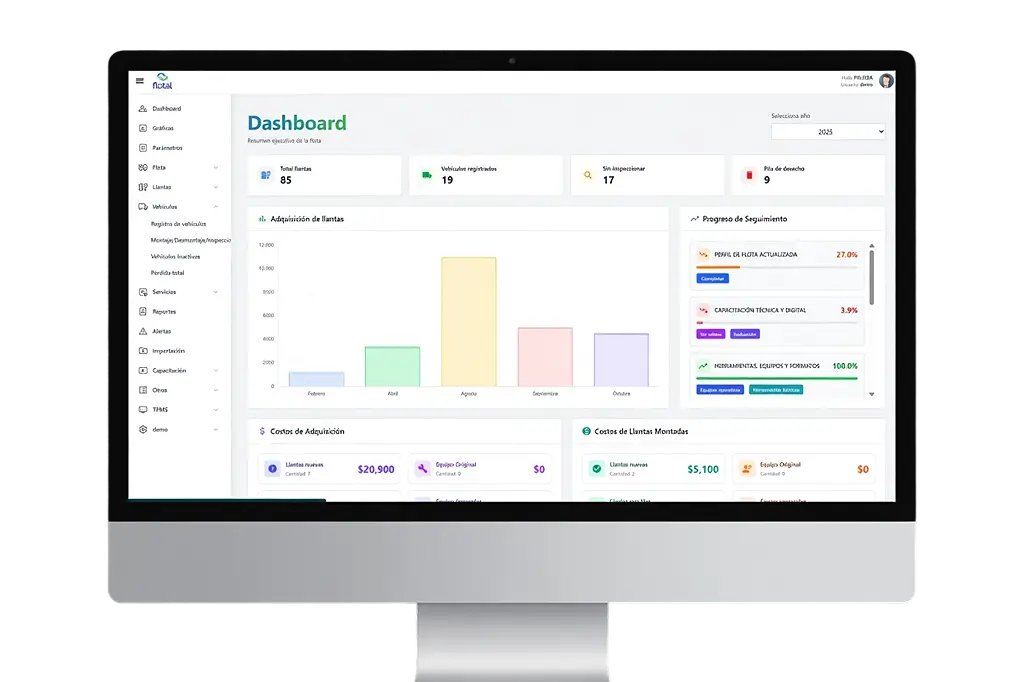
Tire control for passenger transport fleets
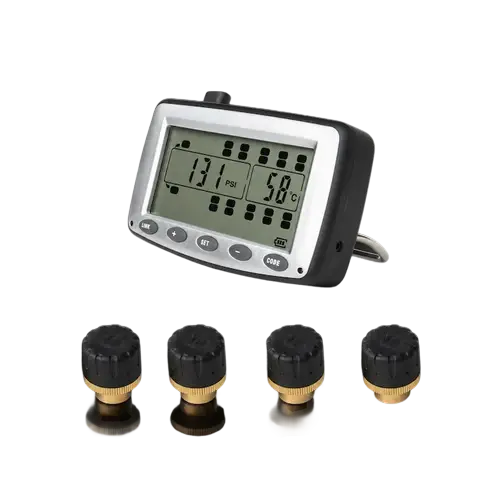
With methodology, software, mobile app and TPMS sensors, you can detect critical conditions, improve safety and reduce costs in city buses, intercity buses and staff routes.
Ideal for city, intercity, staff and school routes.
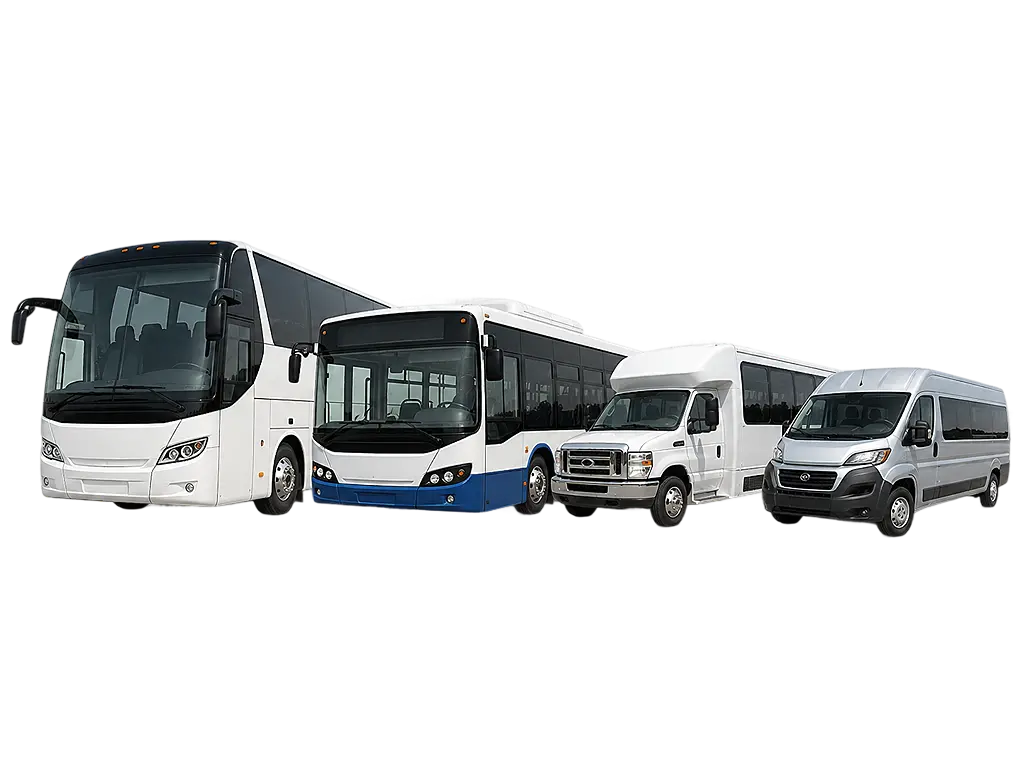
Typical challenges in this industry
The three most common pain points in passenger transport.
When a tire fails in a passenger unit, the impact is not only operational: it also compromises the experience and safety of the people on board.
Safety risk
A tire in poor condition has serious consequences.
Unit availability
Every bus out of route affects service.
Operating costs
Tires, fuel and maintenance are significant budget items.
What changes with Flotal in this operation
Fewer roadside failures
Reduce roadside failures and improve unit availability.
Greater safety
Reduces risks for operators and passengers.
Better planning
Data to anticipate maintenance and purchases.
Cost reduction
More efficient tires impact fuel and CPK.
Traceability by unit
Each bus with a complete history.
Trained team
Operators and maintenance aligned.
Key variables we monitor
Passenger fleets gain control when every tire and every unit leaves a trace.
Wear and depth
Safety and performance control.
Pressure by position
Reduces uneven wear and consumption.
Temperature
Detects critical conditions in operation.
Rotations
Distributes wear optimally.
Retreads
Get the most out of every casing.
Unit history
Information for purchase and maintenance decisions.
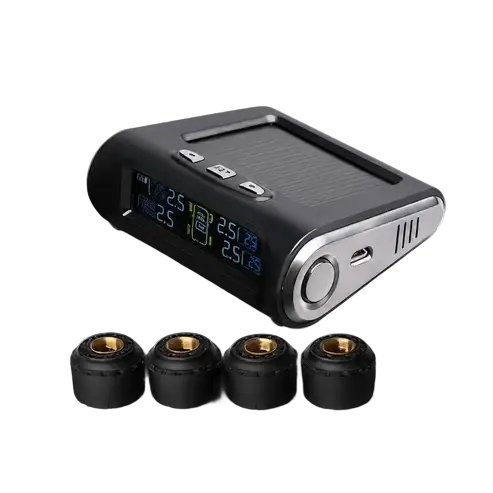
Software, app and TPMS applied to this industry
Flotal connects administration, field operations and automatic monitoring in a single experience.
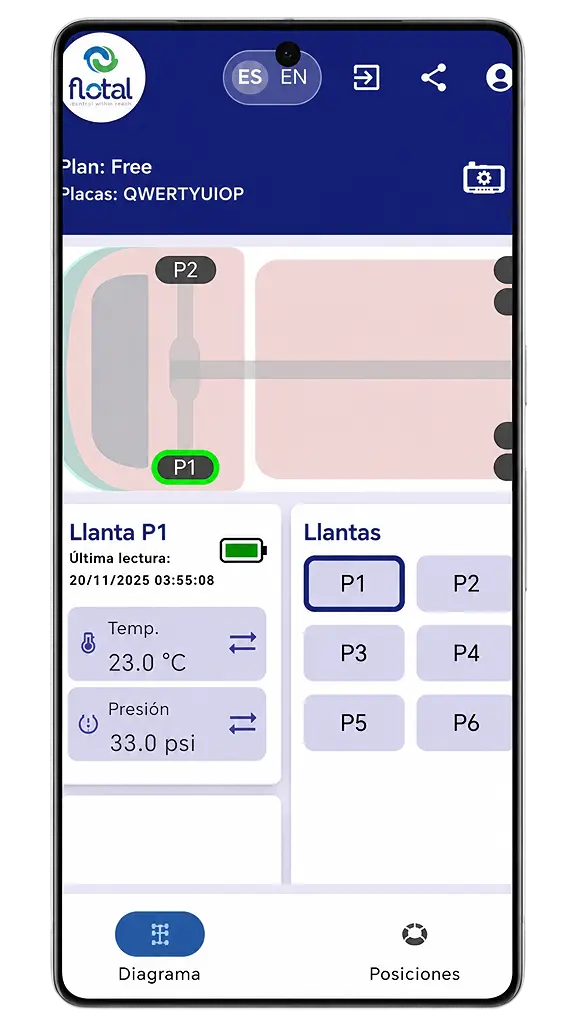
Data you will see in operation
Sample data for illustrative purposes. Each fleet will have its own indicators.
Active units
0
Buses
Availability
0 %
In operation
Average CPK
$ 0.00
Per mile
Inspections
0
This month
Manual control vs. Flotal
A quick look at the differences between manual control and centralized management.
| Aspect | Manual control | With Flotal |
|---|---|---|
| Traceability by tire | Limited | Complete |
| Performance reports | Manual and slow | Automatic |
| Failure detection | Reactive | Preventive |
| Inventory | Spreadsheets | Central platform |
| Training | By own initiative | Flotal support |
Frequently asked questions about passenger transport
We answer the most common questions from passenger transport fleets.
Have more questions?
Talk to our team and we will help you choose the best setup for your operation.
Talk to an advisor 01 Does it work for city and intercity buses?
+
Yes. We serve city routes, intercity routes, staff routes and school routes.
02 Can buses be monitored with TPMS?
+
Yes. TPMS sensors can help monitor pressure and temperature to detect critical conditions.
03 How much does it reduce tire costs?
+
It depends on each operation. The calculator helps estimate potential savings.
04 How is the staff trained?
+
Flotal includes training and implementation as part of the solution.